
At the heart of the Munch Museum in Oslo is the world’s largest collection of works by Edvard Munch — more than 26,000 artworks and over 42,000 objects overall. That includes paintings, drawings, prints, letters, notebooks and personal belongings that provide an unparalleled view into the mind and creative process of the artist.
This means when you explore galleries at the Munch Museum, you’re not just seeing a few iconic works — you’re standing inside the full visual legacy of Munch’s artistic career, from his teenage sketches to monumental late masterpieces.
The Munch Museum you visit today isn’t in its original home. For decades, the museum was housed in Tøyen, in a building completed in 1963 to celebrate what would have been Munch’s 100th birthday.
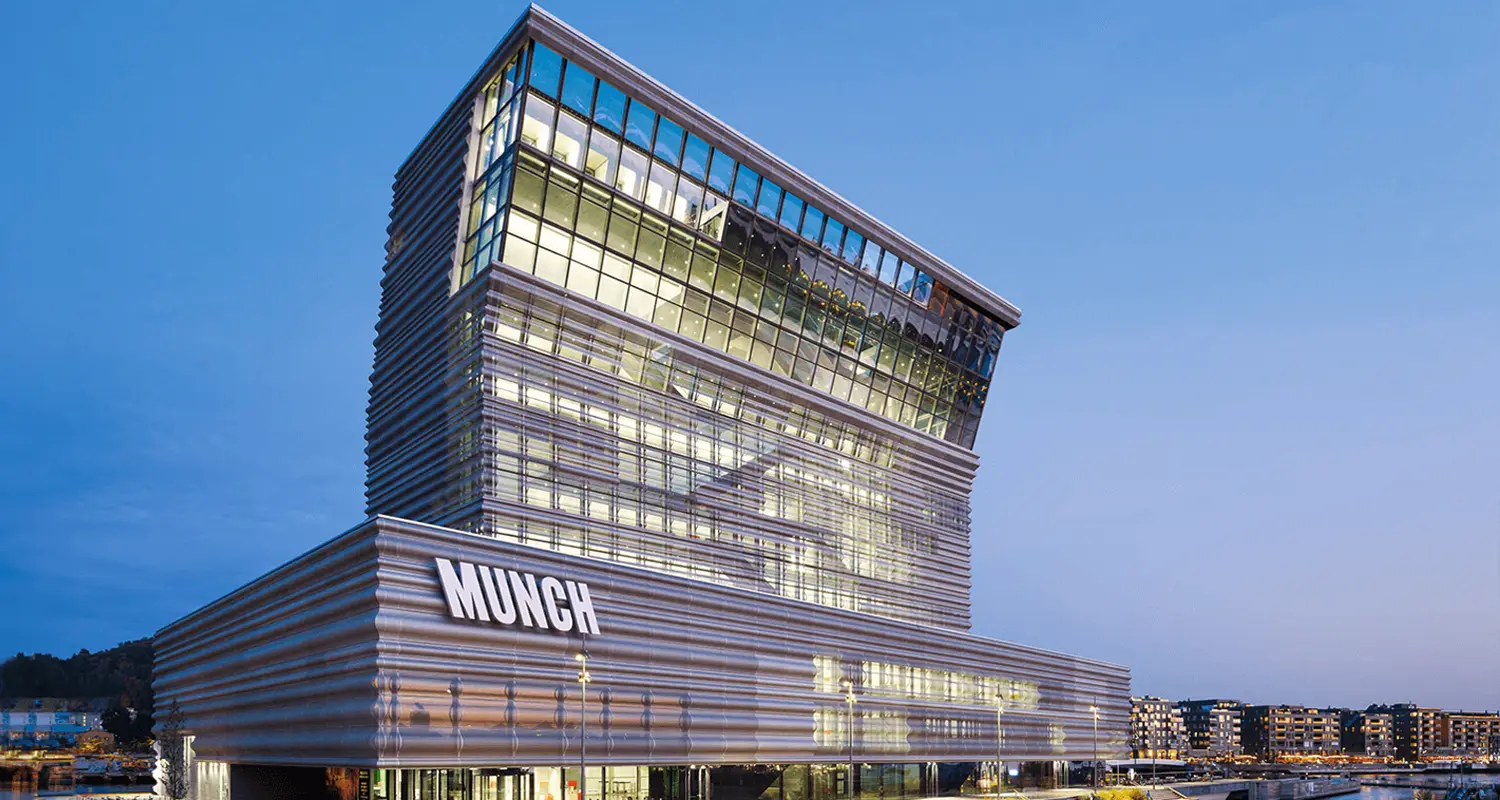
However, after years of debate and planning, the collection was moved in 2021 to a striking new 13-story museum in the Bjørvika waterfront district. This modern structure was designed to house the vast collection more effectively and respond to long-standing needs for better preservation and presentation.
Architecturally, the building has sparked controversy — both praise and criticism — for its bold appearance and innovative use of materials. Many locals had strong opinions on its aesthetics before it even opened, making it an iconic Copenhagen-style cultural landmark in its own right.
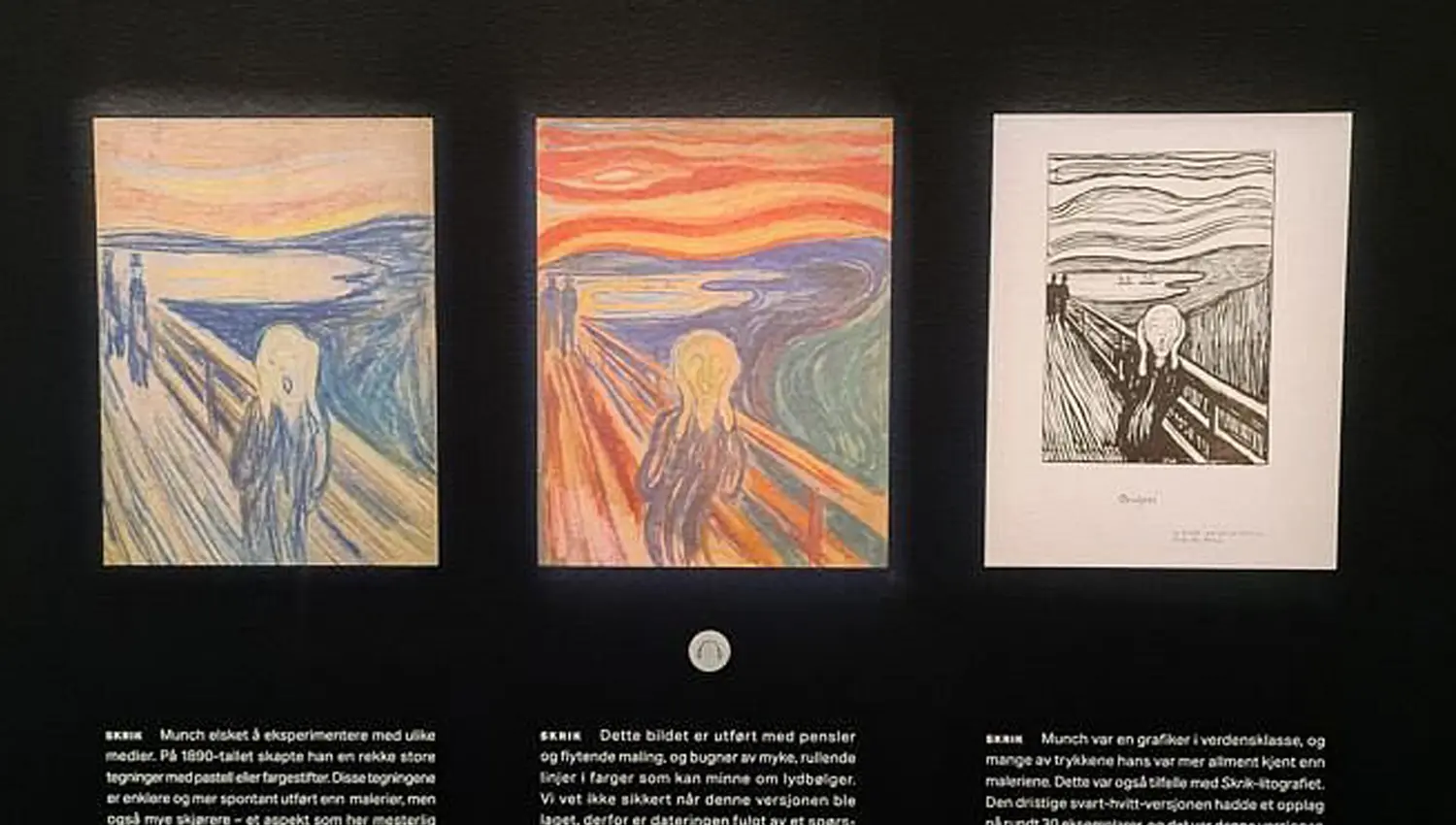
Here’s a secret many visitors don’t realize: the most famous painting associated with the Munch Museum, The Scream, doesn’t permanently stay in one place. Munch created multiple versions of the work, and several are shared between museums in Oslo to protect them from damage caused by light and exposure.
Some versions rotate on display at the Munch Museum, while other versions may be held at the National Museum in Oslo. This means timing your visit matters — you may glimpse one version of The Scream during your tour, and another at a later time.
While paintings are the main draw, the Munch Museum houses works in a staggering variety of formats — including over 18,000 prints, more than 7,000 drawings and sketches, hundreds of books, personal letters, photographs, and ephemera that map Munch’s life from start to finish.
That makes a visit here feel more like a journey through the artist’s inner world than a standard art-gallery experience. It’s a place where emotional intensity meets the meticulous discipline of a lifelong creator.
Behind the scenes at the Munch Museum is an ongoing effort to digitize Munch’s writings, letters and notebooks. These archives give scholars and visitors insight into everything from his artistic influences to his reflections on life, death, love and anxiety — themes that permeate his work.
Some of these documents are now part of European digitization initiatives, making these precious artifacts more widely accessible than ever.
One of the most sensational episodes in the Munch Museum’s history was an armed robbery in 2004, when two masked men stormed in broad daylight and stole The Scream and Madonna, two of Munch’s most famous works.
The paintings were recovered two years later in 2006, but the brazen heist exposed vulnerabilities in museum security and remains a defining moment in its history.
This dramatic event ultimately influenced how the museum protects its collection today and even contributed to the drive for the new Bjørvika building, which boasts state-of-the-art preservation and security systems.
The Munch Museum’s new building was designed with a practical — and unexpected — feature: a hidden slot in one of its walls that allows enormous paintings to be lifted in and out by crane.
This solves one of the major logistical problems any major museum faces: how do you move monumental works that can’t pass through the main entrance? When you visit, imagine the engineering marvel happening behind the scenes every time a major rotating exhibition arrives.
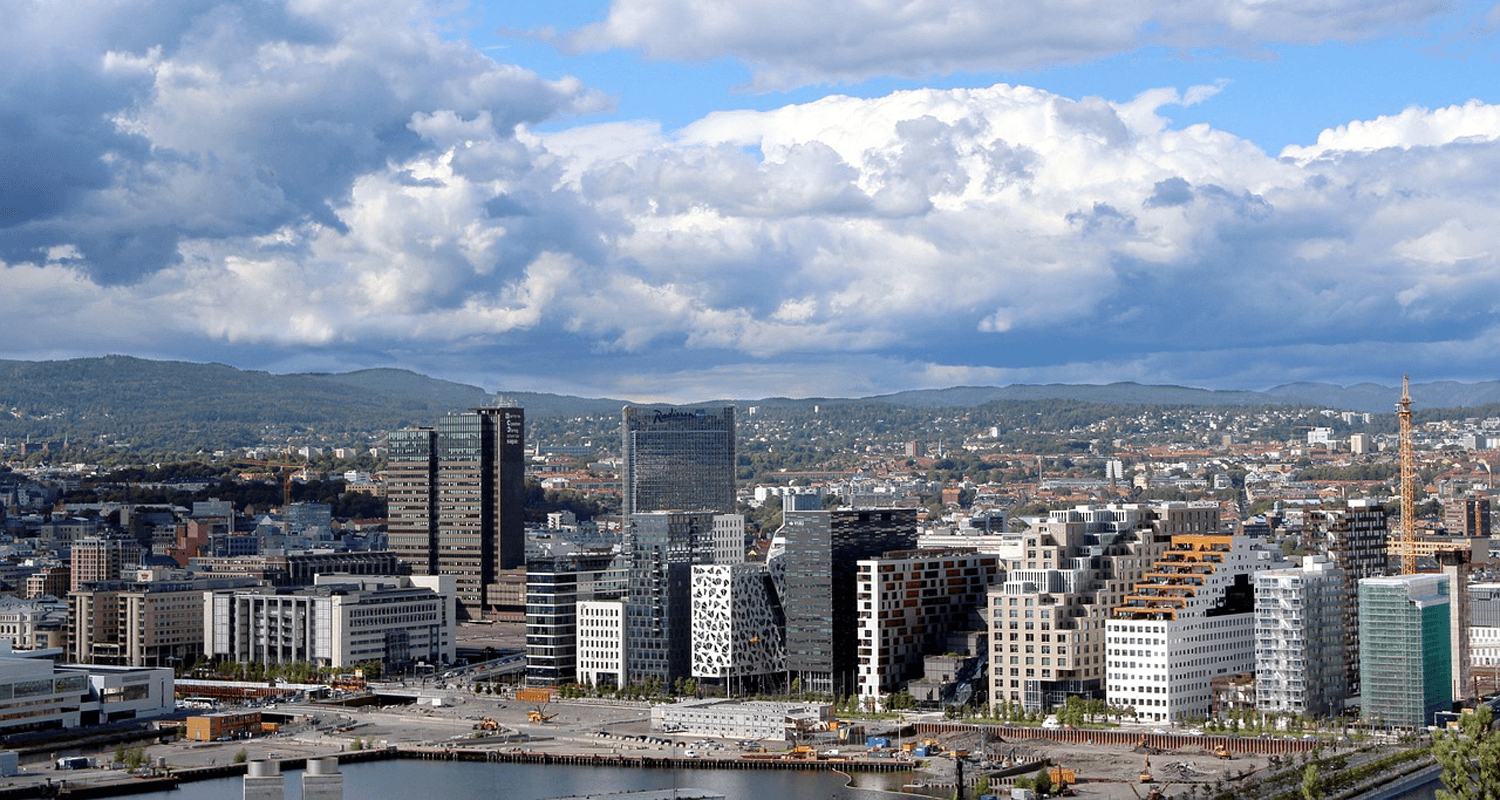
The Munch Museum’s relocation from the old Tøyen quarter to Bjørvika isn’t just about art — it’s a symbol of Oslo’s recent cultural and urban evolution. Bjørvika, the harbor area near the Oslo Opera House, has transformed into a vibrant arts district and public space. The Munch Museum plays a central role in that new cultural landscape, anchoring other attractions and inviting visitors to explore the city’s waterfront.
It’s a must-see stop on any city walking tour of Oslo, and its position makes it easy to combine with other highlights like the Opera House, the Astrup Fearnley Museum and the old town.
When Edvard Munch died in 1944, he left almost his entire life’s work to the city of Oslo. This extraordinary gift — including paintings, drawings, etchings, books, furniture and other personal items — laid the foundation for the Munch Museum decades later.
Most of the collection came directly from Munch’s own estate, but later donations from friends and collectors expanded the holdings — including a large gift from Rolf Stenersen, an art patron and Munch’s close friend.
The Munch Museum isn’t just a static gallery. Across 13 floors, you’ll find performance spaces, lectures, concerts and temporary contemporary art exhibitions alongside Munch’s work.
This dynamic cultural programming reflects how Munch’s legacy continues to resonate with artists and audiences today, connecting past and present in ways that surprise many first-time visitors.
To protect particularly light-sensitive works — including prints and drawings — the Munch Museum often displays them in dimly lit rooms. These intentional lighting choices preserve the art’s integrity but can make viewing them feel like entering another world entirely.
This unique sensory experience is part of what makes the visit special: it’s not just about seeing art — it’s about feeling it.
One fascinating room inside the Munch Museum holds large panels Munch painted for the University of Oslo’s ceremonial hall — monumental works that few visitors know about.
These oversized pieces, some nearly 50 square meters, reflect a different side of Munch’s artistic ambition and are presented in a specially constructed two-story space.
On the upper levels of the Munch Museum, a café and bar offer panoramic views of the Oslofjord — a secret many visitors discover only after exploring the galleries.
It’s a perfect place to relax and reflect on Munch’s intense art while taking in Norway’s dramatic coastal landscape.
Although the Munch Museum now lives in Bjørvika, the original building at Tøyen still stands and has its own stories — including once being featured in Norwegian pop culture and cinema.
Exploring the old neighborhood rewards city walkers with a glimpse into Oslo’s artistic past and offers context for how Munch’s legacy grew with the city.
Finally, a secret not always noted on tour guides: much of what you see at the Munch Museum connects back to the artist’s own life — from his long residence at Ekely near Oslo to his intense emotional themes.
This isn’t just art in a vacuum — it’s art born from a life full of passion, anxiety, joy, and sorrow — and the Munch Museum gives every visitor a chance to understand that world up close.
The Munch Museum isn’t just a place to see paintings — it’s a living narrative of one artist’s life and its impact on culture. Whether you’re a first-timer or a returning visitor, these secrets will make your next trip even more memorable.
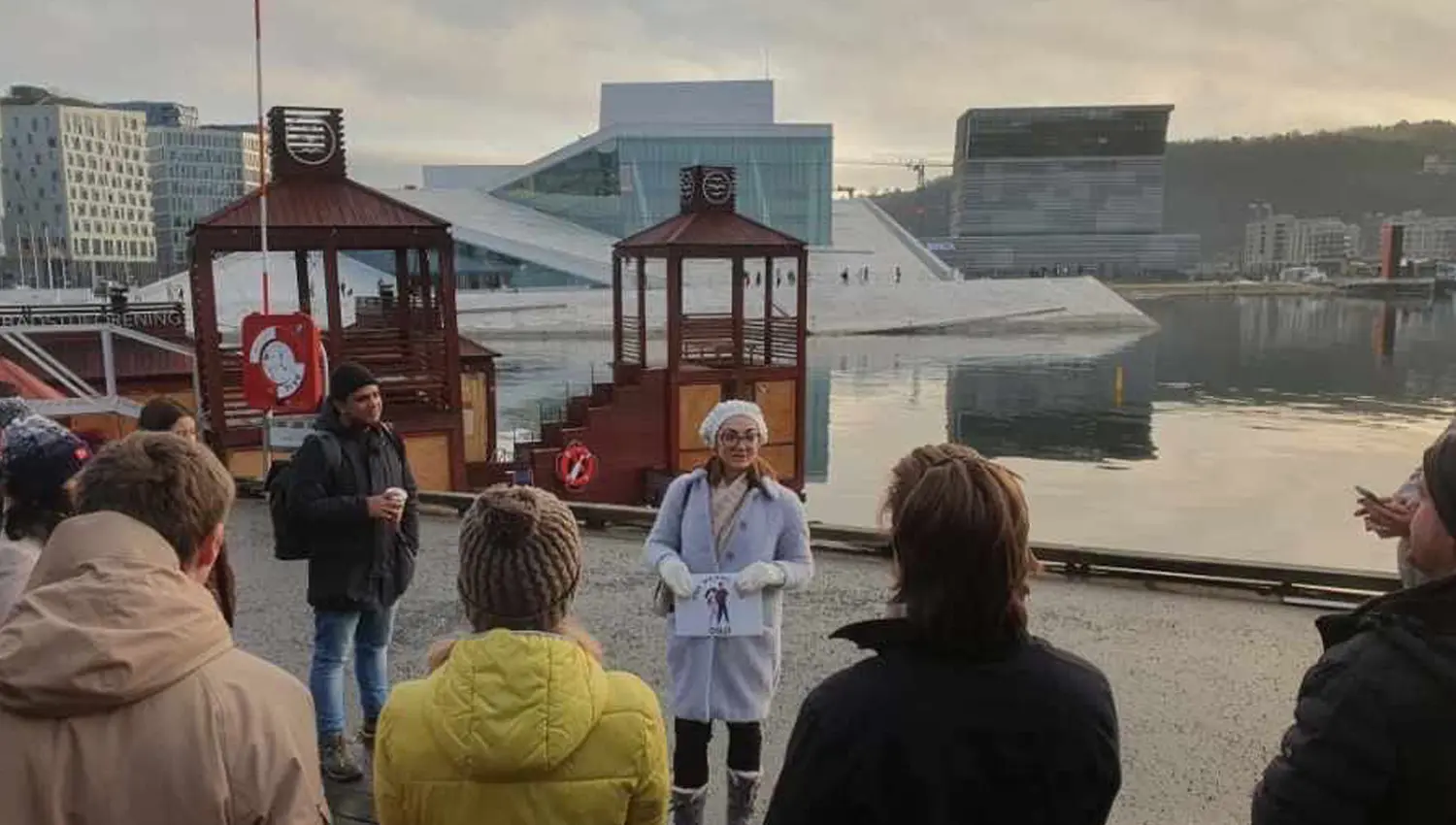
And if you want to know even more interesting Munch stories, or other amazing historical trivia, join our Free Walking Tour Oslo with us, locals, and see Oslo in different light — through the eyes of the people who live here. Our guides will take you though vibrant neighborhoods, show you Oslo’s most important buildings while telling you the stories that shaped the city itself. Book your Oslo free tour here. Meeting point is just 5 minutes from Munch museum 🙂